
Avoiding Common Mistakes During Fire Escape Inspections
Understanding the Importance of Fire Escape Inspections
Fire escape inspections are a vital component of building safety. Ensuring that these essential structures are in proper working condition can make the difference between life and death in an emergency. Regular inspections not only comply with safety regulations but also provide peace of mind to building occupants.
Despite their importance, several common mistakes can occur during inspections. By being aware of these pitfalls, building managers and inspectors can ensure that fire escapes are safe and functional.

Overlooking Detailed Documentation
One of the most frequent mistakes is neglecting to maintain detailed documentation. Proper records of inspections, repairs, and maintenance are crucial for tracking the condition of fire escapes over time. This documentation can also be invaluable in the event of legal inquiries or insurance claims.
Ensure that every inspection is followed by a comprehensive report, noting any issues found and the actions taken to address them. This practice not only aids in compliance but also helps in planning future maintenance activities.
Ignoring Minor Wear and Tear
Minor issues like rust, loose bolts, or peeling paint might seem insignificant at first glance, but they can escalate into major problems if left unchecked. Regularly inspect for signs of wear and address them promptly to prevent bigger issues.

Conducting Thorough Visual Checks
During inspections, ensure that all parts of the fire escape, including stairs, railings, and platforms, are thoroughly checked. Pay close attention to joints and connections, as these areas are prone to wear and can compromise the entire structure if weakened.
Failing to Test Accessibility
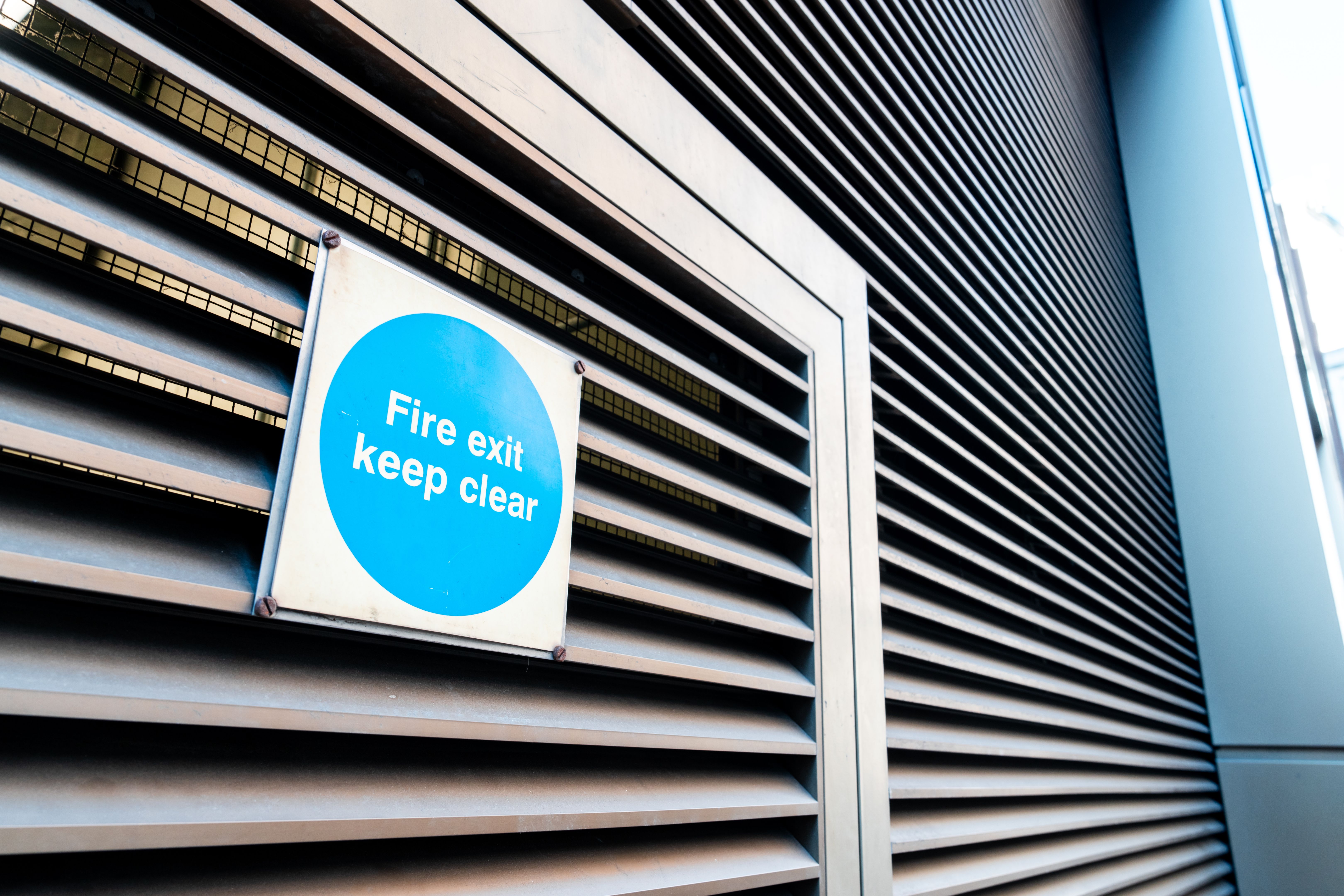
Fire escapes must be easily accessible at all times. During inspections, check that there are no obstructions in pathways leading to the fire escape. Ensure that doors and windows opening onto the escape route are functional and easy to open.
Test these entry points regularly to confirm that they are not locked or blocked, as any hindrance can delay a quick evacuation during an emergency.
Neglecting Regular Training
Even the best-maintained fire escapes are useless if building occupants are not aware of how to use them. Regular training sessions should be conducted to familiarize everyone with escape routes and procedures.
Training should include:
- Identifying the nearest fire escape
- Properly exiting through windows or doors
- Understanding evacuation protocols
Conclusion: Staying Vigilant
Fire escape inspections are not a one-time task but an ongoing responsibility. By avoiding common mistakes and staying committed to regular inspections and maintenance, building managers can ensure the safety and security of everyone in the building. Prioritize these inspections and training to ensure that, when an emergency arises, everyone is prepared and protected.