
Expert Insights: Common Mistakes in Fire Escape Inspections and How to Avoid Them
Understanding the Importance of Fire Escape Inspections
Fire escape inspections are crucial for ensuring the safety and compliance of buildings. Regular maintenance checks can prevent disasters, save lives, and protect property. However, several common mistakes can undermine these efforts, leading to potential risks.

Neglecting Regular Inspection Schedules
One of the most frequent errors is failing to adhere to a consistent inspection schedule. Fire escapes must be checked regularly to ensure they meet safety standards. Skipping inspections can result in unnoticed wear and tear, compromising the escape’s integrity.
To avoid this, establish a clear schedule in line with local regulations and stick to it. Regular checks ensure that any issues are identified and addressed promptly.
Overlooking Rust and Corrosion
Metal fire escapes are particularly prone to rust and corrosion, which can weaken their structure. Unfortunately, this is often overlooked during inspections. It's essential to check for any signs of rust and address them immediately.
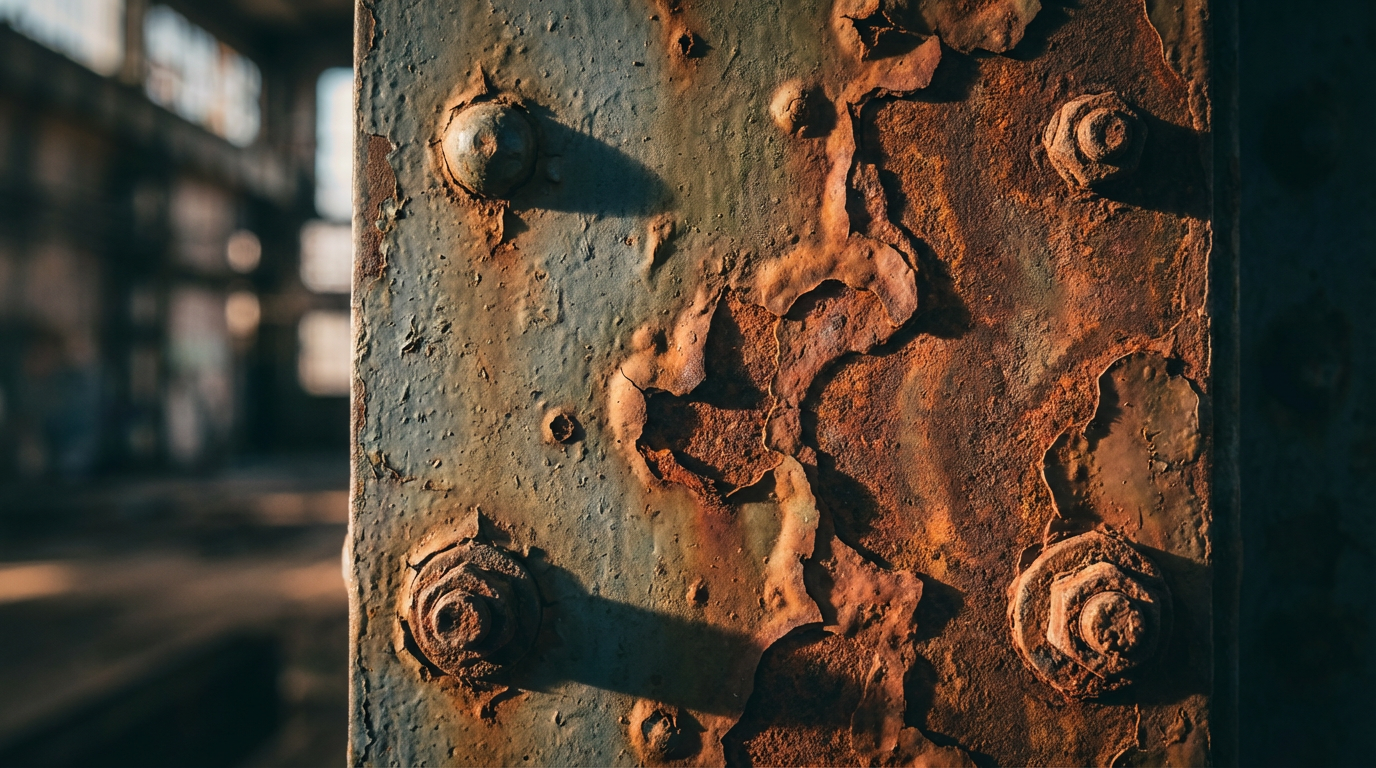
Implementing protective coatings and performing regular maintenance can help prevent corrosion. If rust is detected, it should be treated to prevent further damage.
Ignoring Loose Bolts and Connections
Another common oversight is failing to check for loose bolts and connections. These are critical components that ensure the fire escape remains sturdy and safe during an emergency.
- Regularly inspect all bolts and connections.
- Tighten any that are loose.
- Replace any that show signs of wear.
By paying attention to these details, you can maintain the structural integrity of the fire escape.
Failing to Document Inspections
Proper documentation of inspections is often neglected. Keeping detailed records helps track the history of maintenance and repairs, ensuring accountability and compliance with safety standards.

Use a standardized checklist during inspections and ensure all findings are logged. This documentation can be invaluable in case of future audits or inspections.
Not Training Personnel
Inadequately trained personnel conducting inspections can lead to missed issues. Ensure that those responsible for fire escape inspections are properly trained and understand what to look for.
- Provide comprehensive training for inspection teams.
- Ensure they are familiar with local fire safety regulations.
- Regularly update their training to keep up with any changes in standards.
Investing in proper training is crucial for effective fire escape maintenance.
Conclusion: Prioritizing Safety and Compliance
Avoiding these common mistakes in fire escape inspections is vital for maintaining safety and compliance. By adhering to regular schedules, checking for rust and loose connections, documenting inspections, and training personnel, you can significantly reduce the risk of fire escape failure. Prioritizing these areas not only ensures safety but also provides peace of mind knowing that every precaution has been taken.