
How Often Should You Get Your Building's Fire Escapes Inspected?
Understanding the Importance of Fire Escape Inspections
Fire escapes are a critical component of building safety, providing a vital means of egress in emergencies. Regular inspections are essential to ensure they remain in optimal condition. Understanding the recommended frequency for these inspections can help maintain safety and compliance with local regulations.
General Guidelines for Inspection Frequency
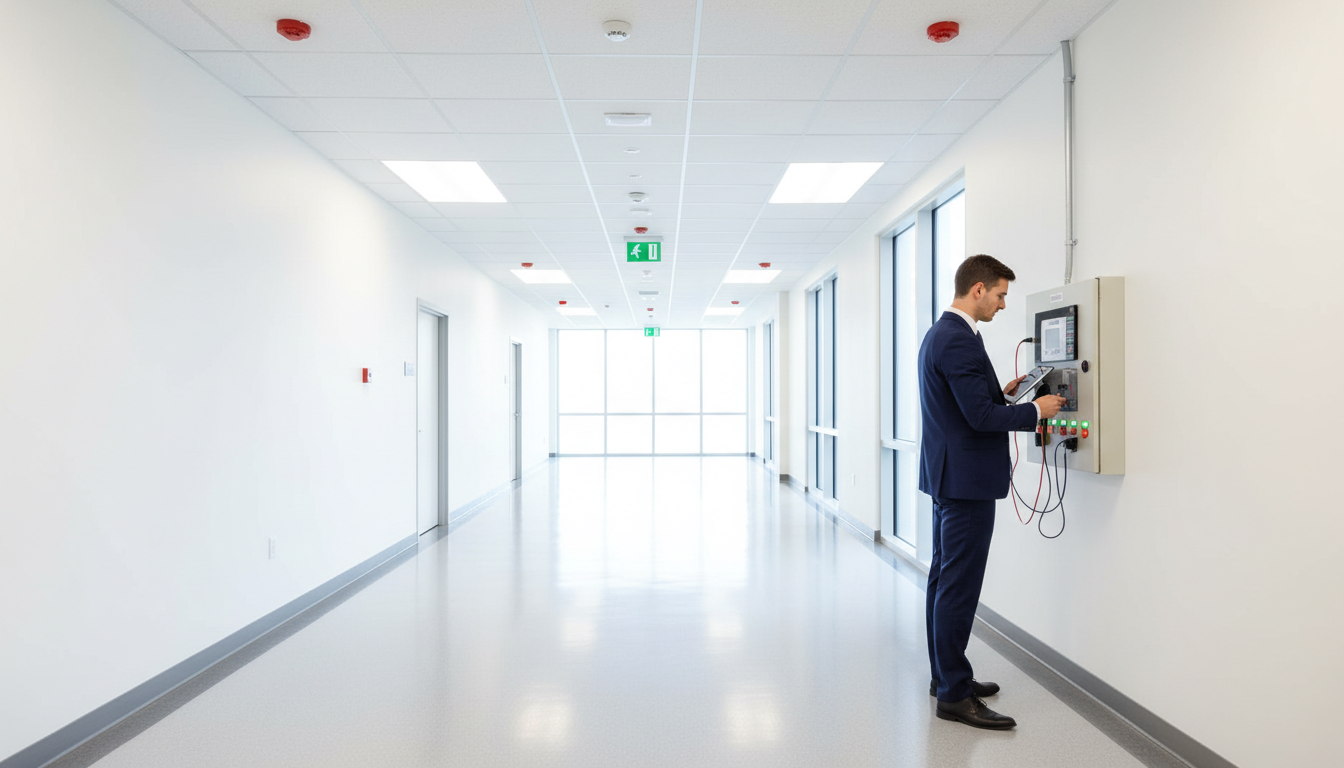
The frequency of fire escape inspections can vary based on factors such as building type, location, and age. However, a general guideline is to have your fire escapes inspected at least once a year. This annual inspection helps identify any wear and tear, corrosion, or structural issues that could compromise safety.
In addition to annual checks, it’s advisable to conduct inspections after any significant weather events, such as storms or earthquakes, which may have impacted the structure. Regular checks ensure that any potential hazards are addressed promptly.
Local Regulations and Requirements
Beyond general recommendations, it’s crucial to adhere to local building codes and fire safety regulations. Some jurisdictions may require more frequent inspections or specific maintenance protocols. Consulting with local fire departments or building authorities can provide clarity on legal obligations.

Signs Your Fire Escape Needs Immediate Attention
While scheduled inspections are essential, building owners should also be vigilant about signs indicating immediate attention is needed. These signs include:
- Visible rust or corrosion on metal components
- Loose or missing bolts and screws
- Signs of structural damage, such as cracks or warping
- Obstructions or debris blocking the escape path
Addressing these issues promptly can prevent accidents and costly repairs.
Choosing a Qualified Inspector
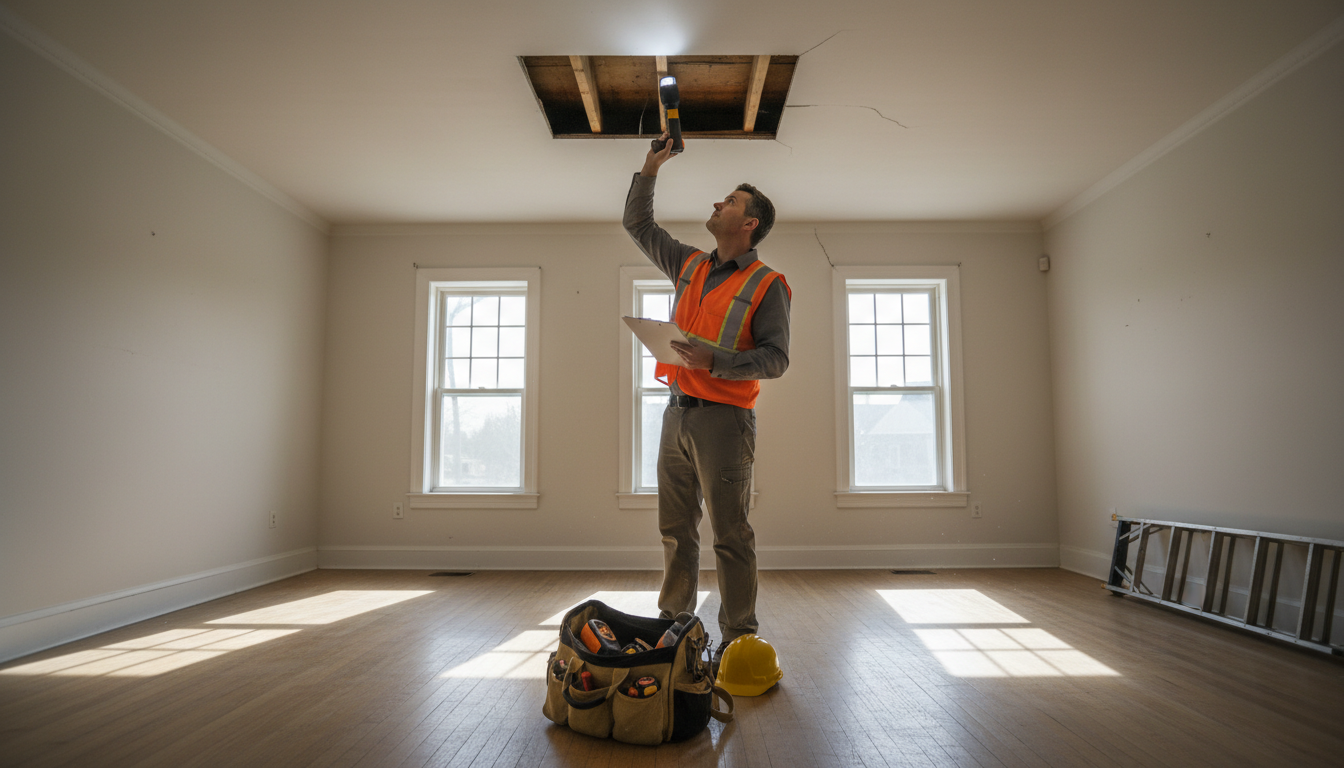
Engaging a qualified professional for fire escape inspections is crucial. Look for inspectors with certified expertise in fire safety and structural engineering. They should be familiar with local codes and have a track record of reliable service.
Maintaining Your Fire Escape
Regular maintenance complements inspections to extend the lifespan of your fire escape. This includes cleaning to prevent rust, lubricating moving parts, and painting to protect against weather damage. A proactive maintenance plan can mitigate risks and reduce long-term costs.
Creating a checklist for routine maintenance tasks can help ensure nothing is overlooked. This checklist should include inspecting for loose components, testing stairs and railings for sturdiness, and ensuring clear pathways.
Conclusion
Regular inspections and maintenance of fire escapes are non-negotiable aspects of building safety. By understanding inspection frequency, adhering to local regulations, and engaging qualified professionals, you can ensure the safety and security of all building occupants. Stay proactive, and your fire escape will be ready when it’s needed most.