
How to Prepare for Your Fire Escape Inspection: A Step-by-Step Guide
Understanding the Importance of Fire Escape Inspections
Fire escape inspections are critical for ensuring the safety and compliance of your building. These inspections help identify potential hazards and ensure that your fire escape is in proper working condition. Regular inspections can prevent accidents and save lives.

Gather Necessary Documentation
Before the inspection, gather all relevant documentation related to your fire escape. This includes previous inspection reports, maintenance records, and any permits or certifications. Having these documents on hand will streamline the inspection process and demonstrate compliance with local regulations.
Inspection Checklists
Create a detailed checklist to guide you through the inspection preparation. This should include items such as checking for rust, ensuring bolts and joints are secure, and verifying that all components are free from obstructions. A thorough checklist will help you cover all necessary aspects of the inspection.
Conduct a Preliminary Inspection
Perform a preliminary inspection of the fire escape to identify any obvious issues. Look for signs of wear and tear, such as rust or loose components. Addressing these issues beforehand can save time during the official inspection and prevent costly repairs.
Engage a Professional
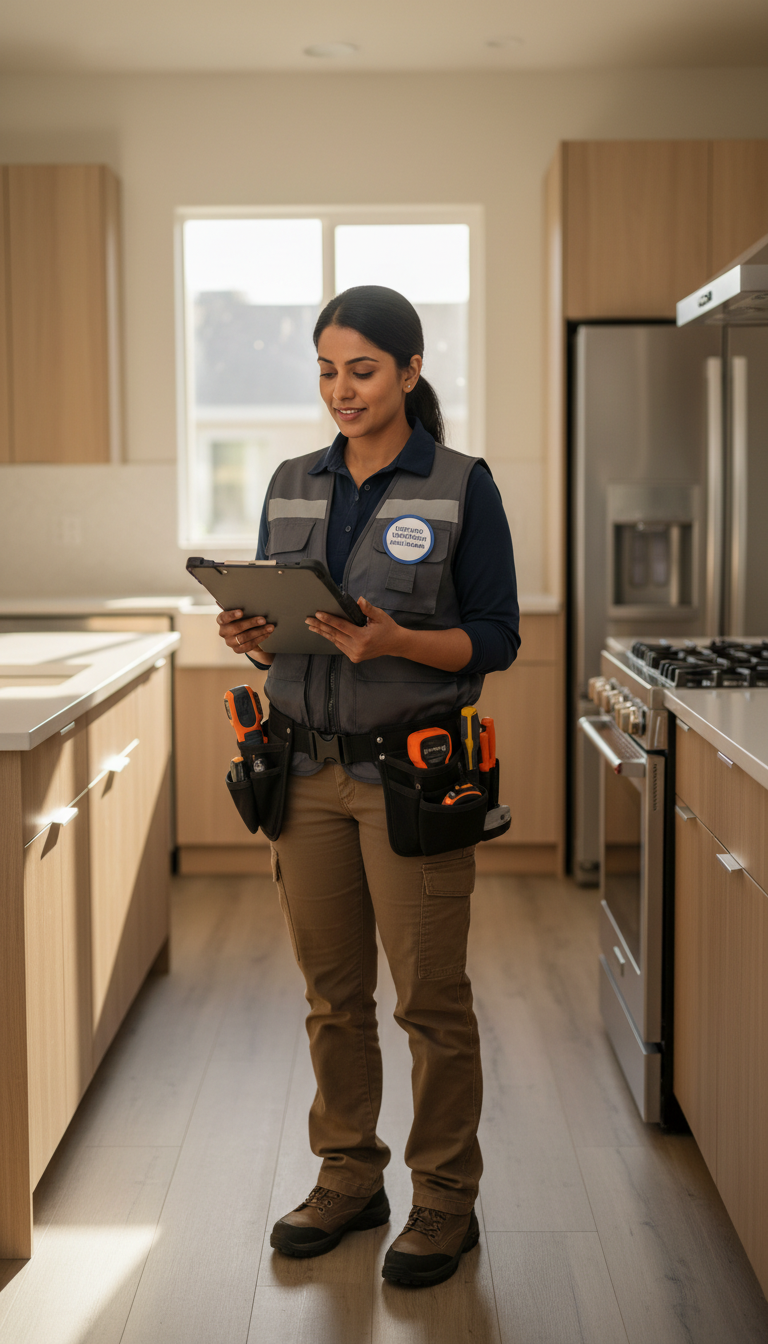
While a preliminary inspection can be done in-house, hiring a professional is essential for a thorough assessment. A certified inspector will have the expertise to identify less obvious problems and ensure your fire escape meets all safety standards. Regular professional inspections are a worthwhile investment in safety.
Prepare for the Inspection Day
On the day of the inspection, make sure the fire escape is accessible. Remove any obstacles or debris that could impede the inspection process. Inform building occupants about the inspection to prevent disruptions and ensure safety during the process.
Final Touches
Double-check that all emergency lighting and signage are functioning correctly. These components are often inspected alongside the fire escape and are crucial for guiding occupants in an emergency. Taking time for these final touches can make a significant difference.
Post-Inspection Follow-Up
After the inspection, review the inspector's report carefully. Address any issues or recommendations promptly to ensure continued compliance and safety. Keeping a record of the inspection and any subsequent repairs will be beneficial for future inspections.
By following these steps, you can ensure your fire escape inspection goes smoothly and that your building remains a safe environment for all occupants. Regular maintenance and inspections are key to preventing emergencies and ensuring peace of mind.