
Preparing for Your First Fire Safety Inspection: A Guide for NJ Residents
Understanding the Importance of Fire Safety Inspections
Fire safety inspections are crucial for ensuring the safety and well-being of residents in New Jersey. These inspections help identify potential hazards and ensure compliance with local fire codes. Preparing for your first inspection can seem daunting, but with the right guidance, you can navigate the process smoothly and efficiently.
Getting Started: Know the Requirements
Before your inspection, it's essential to familiarize yourself with the specific fire safety requirements in New Jersey. These can vary based on the type of property and its usage. Generally, inspectors will look for working smoke detectors, clear exits, and accessible fire extinguishers. Understanding these requirements will help you prepare effectively.
Check Smoke Detectors and Alarms
Smoke detectors are a critical component of any fire safety plan. Ensure that all smoke detectors in your property are functional. Replace batteries regularly and test each unit to confirm they are operational. Having a reliable smoke detection system can significantly reduce the risk of fire-related incidents.
Ensure Clear Exits
Exits must be easily accessible and free from obstructions. In an emergency, a clear path can save lives. Inspectors will check that all exits are well-lit and that exit signs are visible. Make sure that doors open easily and that there are no barriers that could hinder a quick evacuation.

Fire Extinguishers: Placement and Maintenance
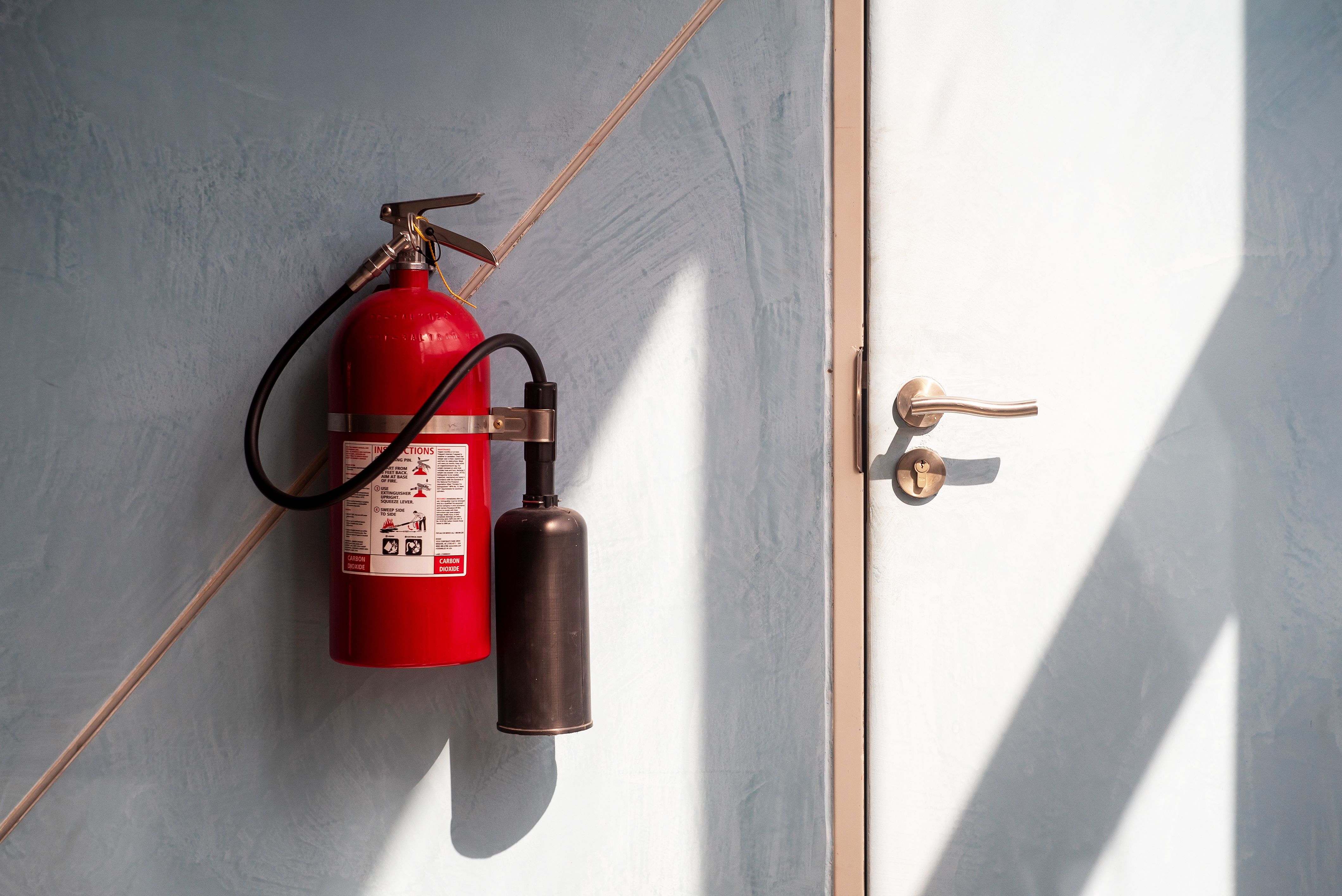
Fire extinguishers should be strategically placed throughout your property. Ensure they are easily accessible and that everyone knows their location. Regular maintenance checks are essential to confirm that each extinguisher is in working condition and has not expired.
Conducting a Self-Inspection
Before the official inspection, conduct a self-inspection to identify and address potential issues. Create a checklist to ensure that all fire safety measures are in place. This proactive step can help you address minor problems before they become significant concerns during the official inspection.

Preparing Your Documentation
Having the necessary documentation ready can streamline the inspection process. This includes records of fire extinguisher maintenance, fire drills, and any previous inspections. Keeping organized records demonstrates your commitment to fire safety and can expedite the inspection.
Final Steps and Follow-Up
After addressing potential issues and ensuring compliance, schedule your inspection with the local fire department. Once the inspection is complete, review any feedback or recommendations provided by the inspector. Addressing these promptly can prevent future complications and enhance the safety of your property.
Preparing for your first fire safety inspection doesn't have to be overwhelming. By understanding the requirements and taking proactive steps, you can ensure a smooth process and a safer environment for everyone involved.