
The Ultimate Guide to Fire Safety Audits: What Every New Jersey Resident Should Know
Understanding Fire Safety Audits
Fire safety audits are crucial evaluations designed to ensure that buildings comply with fire safety standards and regulations. For residents of New Jersey, understanding the importance of these audits can be a lifesaver. A fire safety audit involves a comprehensive review of a building’s fire protection systems, emergency procedures, and adherence to fire codes.
These audits help identify potential fire hazards and offer recommendations to mitigate risks. The goal is to safeguard lives and property by ensuring that all safety measures are up-to-date and effective. Regular audits are not just a legal requirement but a proactive step towards community safety.
Key Components of a Fire Safety Audit
Fire Protection Systems
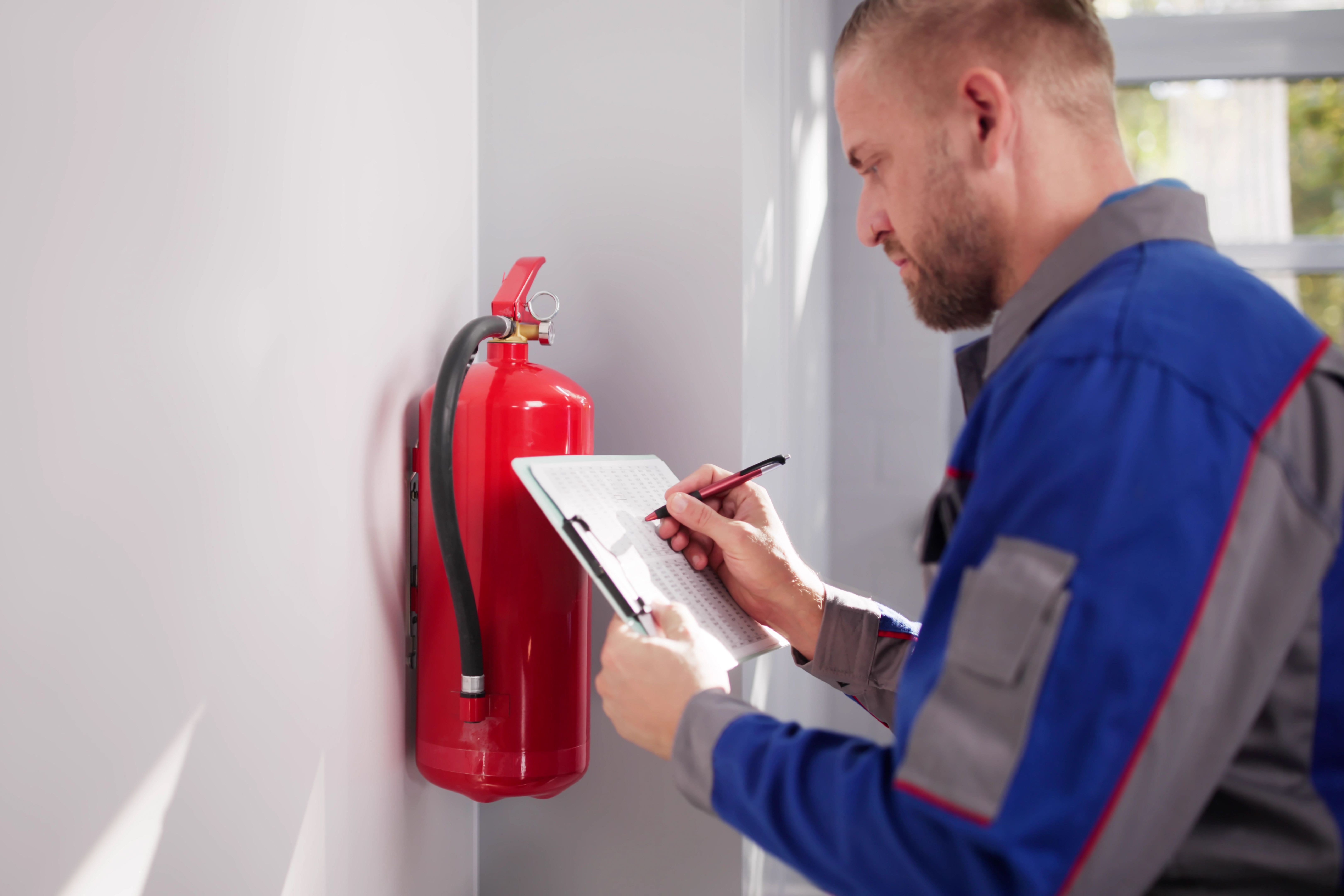
One of the primary focuses of a fire safety audit is the evaluation of fire protection systems. This includes checking the functionality of fire alarms, smoke detectors, sprinkler systems, and fire extinguishers. Ensuring these systems are operational can make a significant difference in an emergency situation.
Emergency Procedures
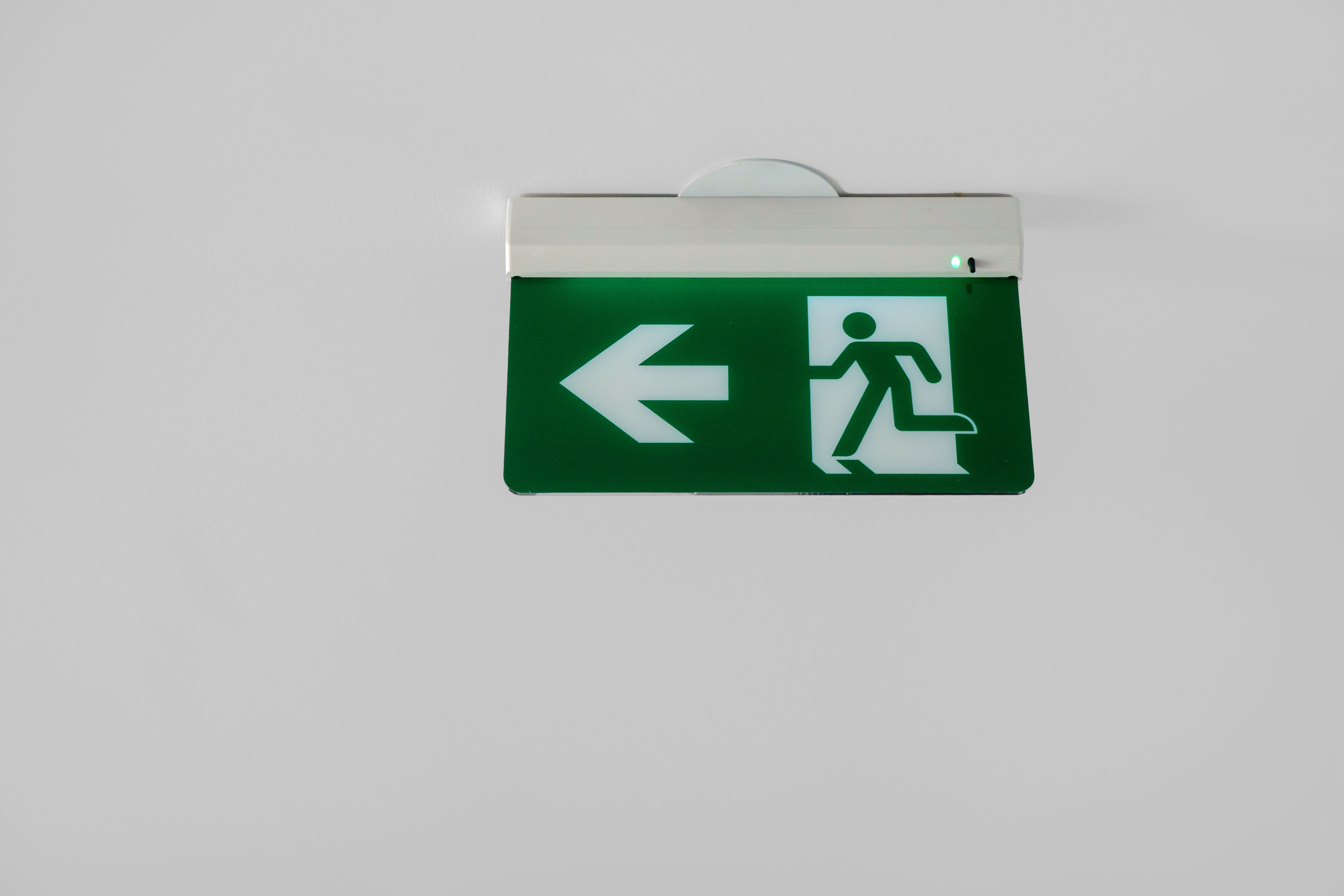
Another critical aspect is the assessment of emergency procedures. Auditors review evacuation plans and ensure that all occupants are familiar with them. This includes checking the presence of clear exit signs, emergency lighting, and easily accessible escape routes.
Benefits of Regular Fire Safety Audits
Conducting regular fire safety audits offers numerous benefits. Firstly, it helps in maintaining compliance with local fire safety regulations, avoiding potential fines or legal issues. Moreover, it enhances the safety and peace of mind for residents and building occupants.
Regular audits also contribute to lower insurance premiums. Insurance companies often offer discounts to properties with proven fire safety measures in place, making audits a financially savvy decision for property owners.
Steps to Prepare for a Fire Safety Audit
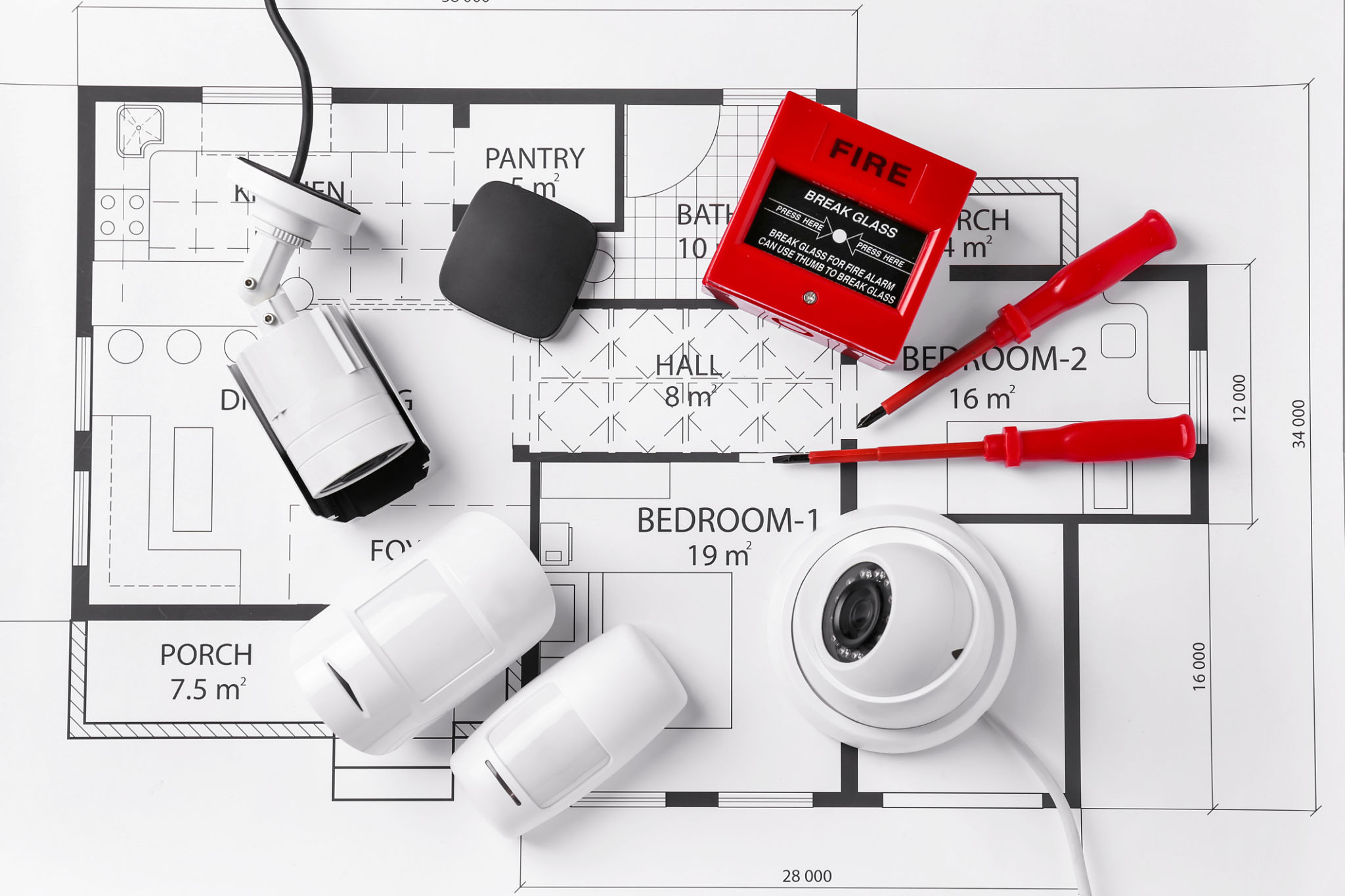
Preparing for a fire safety audit involves several steps. Start by reviewing the current fire safety measures in place and updating any outdated equipment. It’s also essential to conduct regular fire drills to ensure everyone is familiar with evacuation procedures.
- Check all fire alarms and smoke detectors.
- Ensure fire extinguishers are accessible and serviced.
- Review and update emergency plans and exit routes.
Finding a Qualified Fire Safety Auditor
Choosing a qualified fire safety auditor is vital for a thorough evaluation. Look for professionals with the necessary certifications and experience in conducting audits. Recommendations from local fire departments or community organizations can be invaluable in finding reputable auditors.
Engaging a qualified auditor ensures that the evaluation covers all necessary aspects and provides actionable recommendations to enhance safety.
Conclusion
Fire safety audits are an essential part of maintaining a safe living environment in New Jersey. By understanding their importance and being proactive in preparation, residents can ensure compliance with safety regulations and protect both lives and property. Regular audits not only enhance safety but also offer peace of mind and potential financial benefits.