
Top Myths About Fire Escape Inspections Debunked
Fire escape inspections are a crucial part of building safety, yet several myths surround their importance and execution. These misconceptions can lead to neglect and potentially hazardous situations. In this post, we'll debunk some of the most common myths about fire escape inspections to ensure you have accurate information.
Myth 1: Fire Escape Inspections Are Only Necessary for Older Buildings
Many people believe that fire escape inspections are only required for older buildings that might be deteriorating. In reality, every building with a fire escape needs regular inspections, regardless of its age. A new building can have installation issues or design flaws that need attention, making inspections essential for all properties.

New Buildings Are Not Immune
Even newly constructed buildings can face issues like improper installation or material defects. Regular inspections help catch these problems early, ensuring safety and compliance with local regulations.
Myth 2: Inspections Are Only About Metal Corrosion
Another common misconception is that inspections only focus on detecting rust or corrosion on metal fire escapes. While metal degradation is a concern, inspectors look at a variety of factors. These include:
- The integrity of stair treads and railings
- The fire escape's overall stability
- Proper attachment to the building
- Clear and unobstructed egress paths

A Comprehensive Examination
Inspections are comprehensive, ensuring that the fire escape is fully functional and safe for use during an emergency. This thorough approach protects building occupants and helps avoid potential liabilities for owners.
Myth 3: DIY Inspections Are Sufficient
Some building owners might think that conducting their own inspections is enough to satisfy regulatory requirements. However, only professional inspectors have the expertise and knowledge to perform thorough evaluations.
The Importance of Professional Inspections
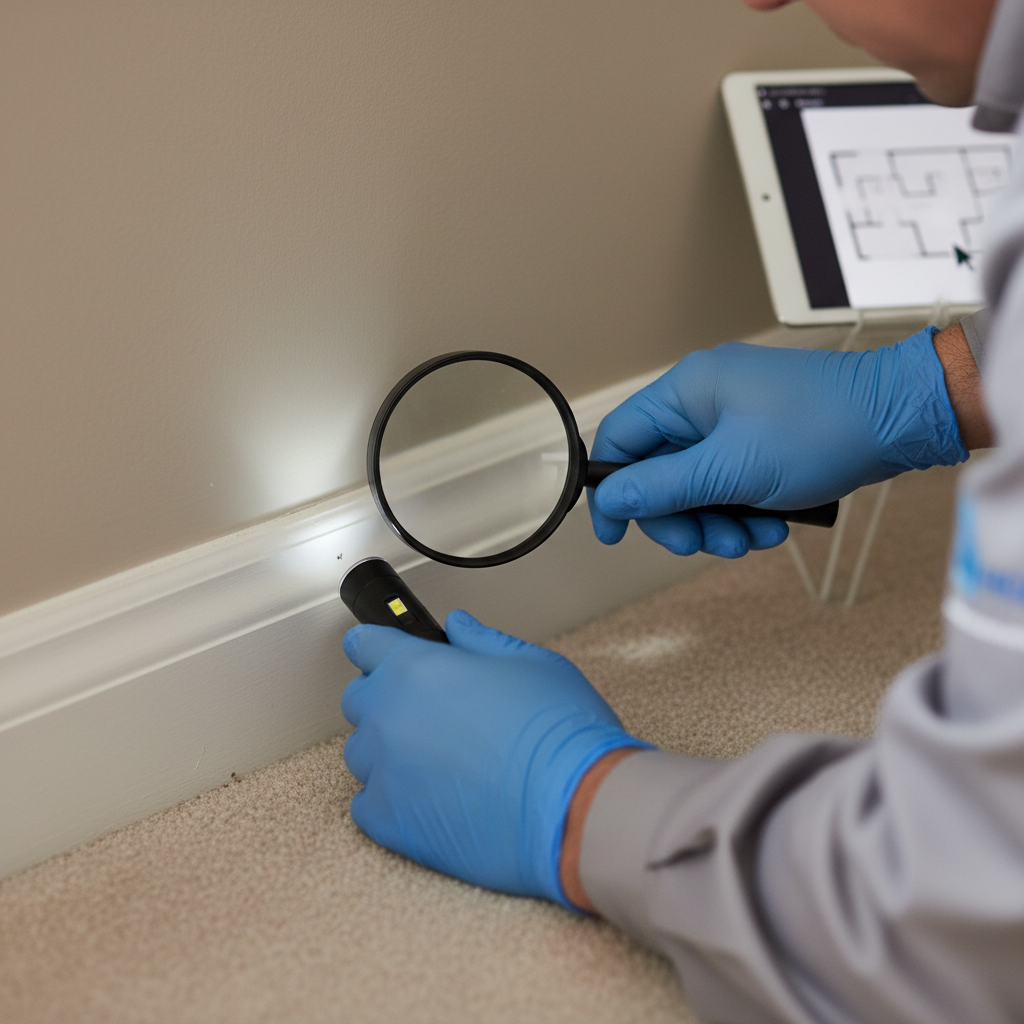
Professionals are trained to spot issues that an untrained eye might miss. They also stay updated on the latest safety standards and codes, ensuring your fire escape is compliant and safe.
Myth 4: Inspections Are Unnecessary if the Fire Escape Was Recently Repaired
Even if your fire escape underwent recent repairs, regular inspections remain crucial. Repairs might address immediate issues but can miss underlying problems that could worsen over time.
Continuous Maintenance Is Key
Regular inspections provide a proactive approach to maintenance, ensuring that any new issues are identified and addressed promptly. This ongoing vigilance is key to maintaining a safe environment for building occupants.
By debunking these myths, it's clear that fire escape inspections are a vital aspect of building safety. Regular, professional inspections ensure that your fire escape remains in top condition, ready to perform in an emergency. Prioritizing these inspections not only ensures compliance with regulations but also safeguards the lives of everyone in the building.